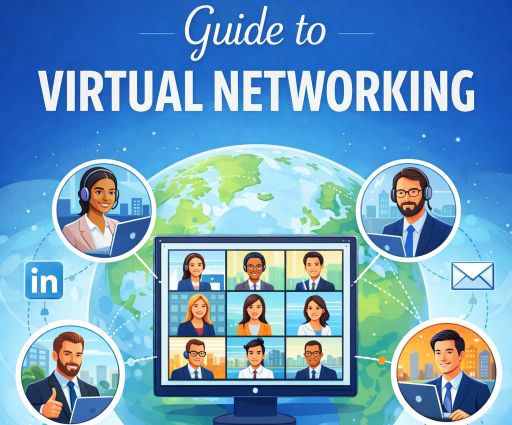
The Complete Guide to Virtual Networking and Online Meetups in 2026
Over the past few years I have experimented with different ways of networking online — from LinkedIn outreach to hosting small virtual meetups. What I discovered is simple:
Virtual networking works best when LinkedIn relationships and live online meetups work together.
In this guide I will explain exactly how I approach modern networking online and how anyone can build real professional connections using virtual events, LinkedIn strategies, and the right tools.
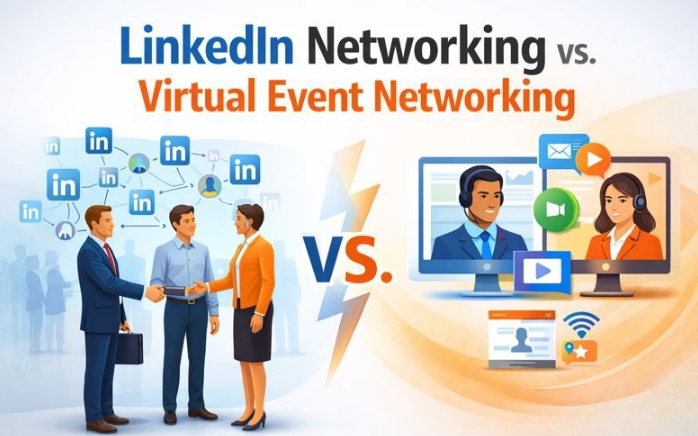
If you’re new to virtual networking, I recommend starting with my detailed comparison of
LinkedIn networking vs virtual event networking
to understand which strategy brings the most real clients today.
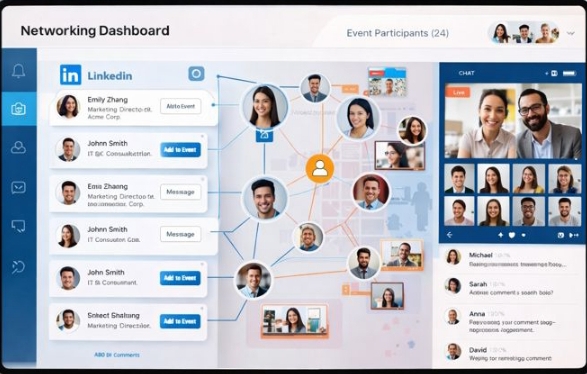
Professional networking dashboard showing LinkedIn connections and virtual event participants connecting online.
Why Virtual Networking Is Becoming the New Professional Standard
I used to believe networking required physical conferences and local meetups. But after hosting and attending dozens of online events, I realized virtual networking can actually create deeper conversations when structured correctly.
Virtual networking removes geographic barriers and allows professionals from different countries to collaborate in real time.
The key is designing online interactions that feel personal and engaging rather than passive webinars.
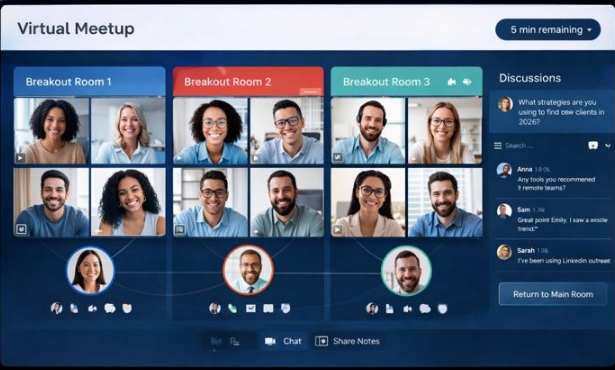 Screenshot of a virtual meetup with breakout rooms and professionals networking in small video groups.
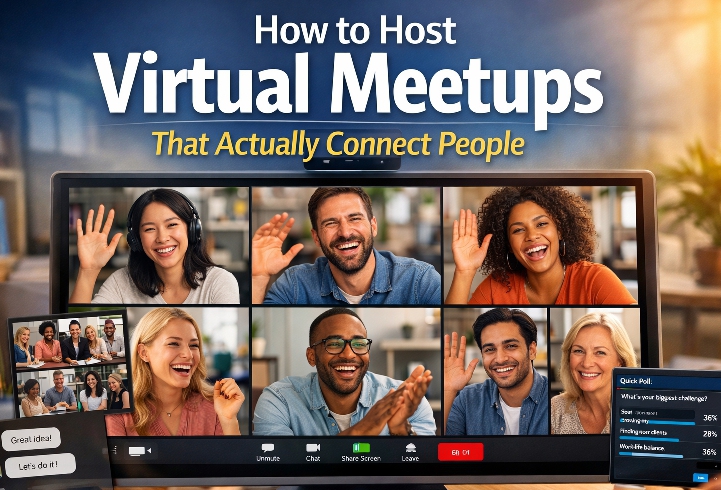
How I Host Virtual Meetups That Actually Connect People
Many online events fail because they focus too much on presentations and not enough on conversation.
When I organize a virtual meetup, I focus on three things:
- Small group discussions
- Interactive breakout sessions
- Clear networking goals
If you want to see the exact process I follow, I explain it in detail in my guide on
how to host virtual meetups that actually connect people.
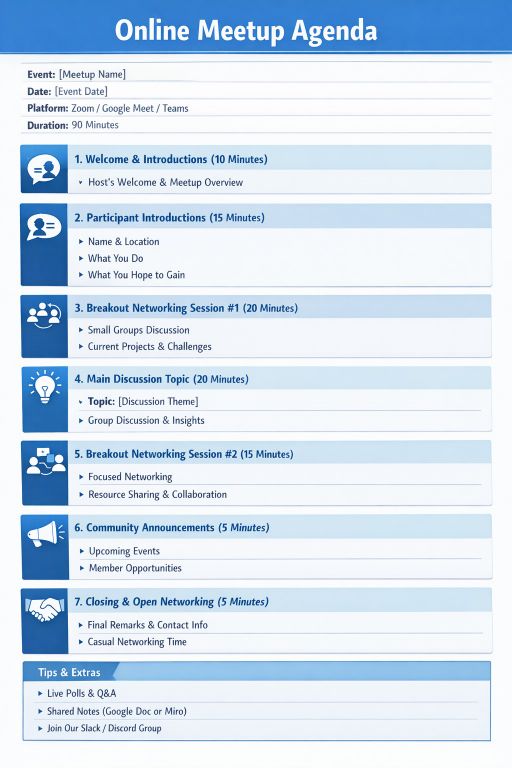 Online meetup agenda layout showing introductions, breakout networking sessions, and discussion topics.
Choosing the Best Platforms for Virtual Networking
The technology behind your event matters more than many people realize.
Over time I tested several meeting platforms to see which ones support real interaction rather than passive viewing.
Some tools focus on webinars, while others are better designed for networking conversations.
I created a full breakdown of the best tools in my guide on
top online meeting platforms for virtual networking.
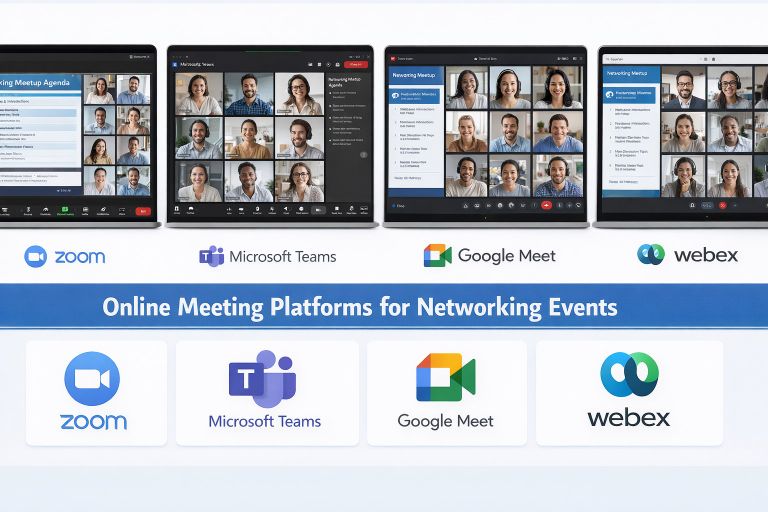
Screenshot Prompt: Comparison screenshot of multiple online meeting platforms used for networking events.
My Step-by-Step Process for Organizing an Online Meetup
When I organize a networking meetup, I follow a simple process that ensures the event runs smoothly.
- Choose a clear networking topic
- Select the right meeting platform
- Promote the event on LinkedIn
- Create an interactive agenda
- Follow up with participants
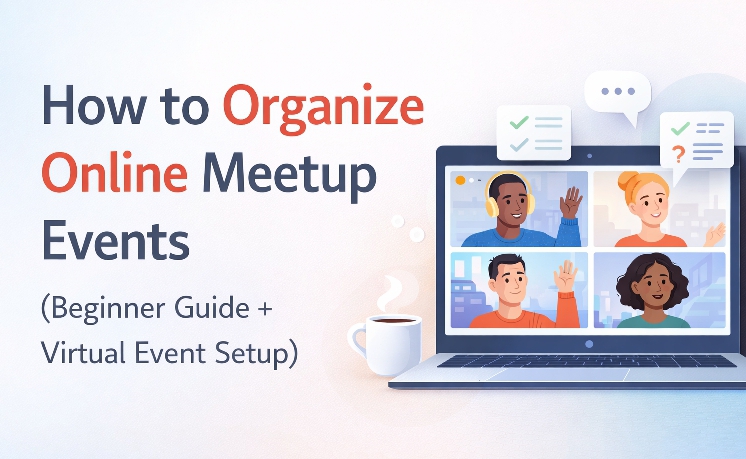
I explain each step in detail in my guide on
organizing your first online meetup.
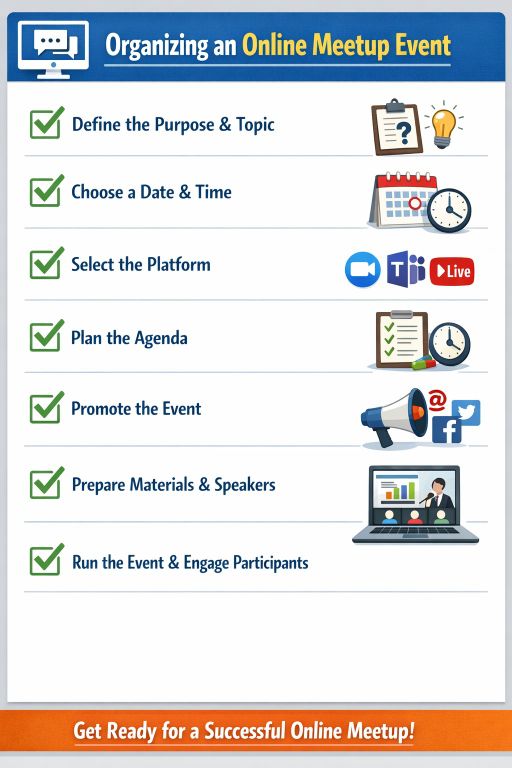
Screenshot Prompt: Checklist style screenshot showing the step-by-step process of organizing an online meetup event.
How I Use LinkedIn During Virtual Events
LinkedIn plays a huge role in modern virtual networking.
Before events, I review attendee profiles and identify people I want to connect with. During the event, I take notes about conversations and shared interests.
After the event, I send personalized connection requests referencing the discussion we had.
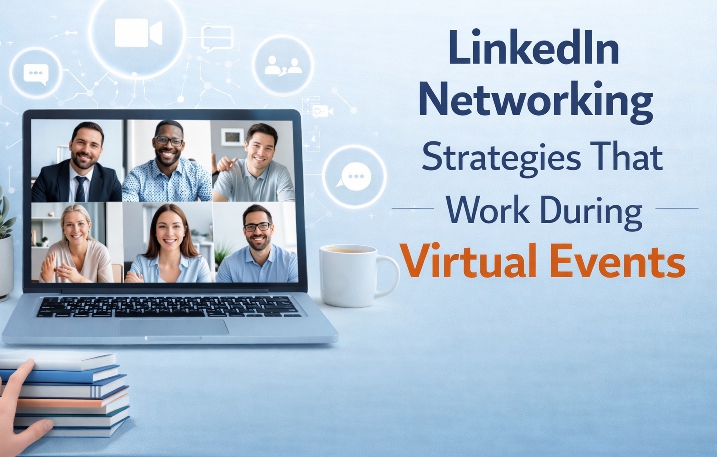
If you want practical strategies that work during virtual events, I recommend reading my guide on
LinkedIn networking strategies during virtual events.
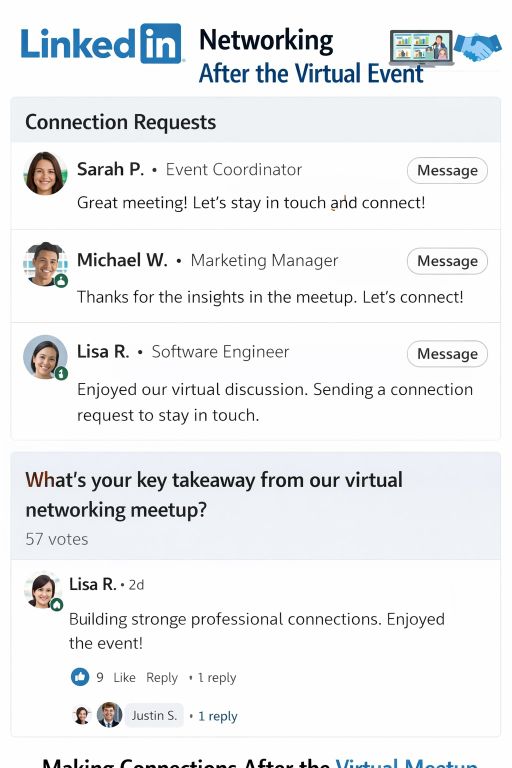
Screenshot Prompt: LinkedIn networking example showing connection requests and engagement after a virtual event.
The Psychology Behind Successful Online Networking
When I first started attending virtual networking events, I assumed success depended mostly on the technology being used. But after participating in many online meetups, I realized something more important:
People remember conversations, not platforms.
This is why strong networking events are structured around interaction rather than long presentations.
Research from
Forbes Business Council
explains that virtual events are rapidly becoming one of the most effective ways for professionals to build global relationships.

Screenshot Prompt: Illustration showing professionals connecting globally through virtual networking events.
Why LinkedIn Is the Backbone of Virtual Networking
Every successful online networking strategy I have seen includes LinkedIn at its core.
LinkedIn acts as the bridge between meeting someone at an event and building a long-term professional relationship.
According to
LinkedIn’s official statistics
,
the platform has hundreds of millions of professionals actively connecting, making it the largest professional networking platform in the world.
That is why I always integrate LinkedIn outreach into my meetup strategy.
For example:
- Before the event → I review attendee profiles
- During the event → I take notes on conversations
- After the event → I send personalized connection messages
Why Follow-Up Is Where Most Networking Opportunities Are Won
Most people think networking success happens during the event.
But in my experience, the real opportunities appear during the follow-up phase.
After hosting virtual meetups, I always send:
- A thank-you message
- A summary of the discussion
- A resource or tool mentioned during the event
- An invitation to the next meetup
Studies from
Harvard Business Review
show that strong professional networks are built through consistent follow-up and value sharing rather than one-time interactions.
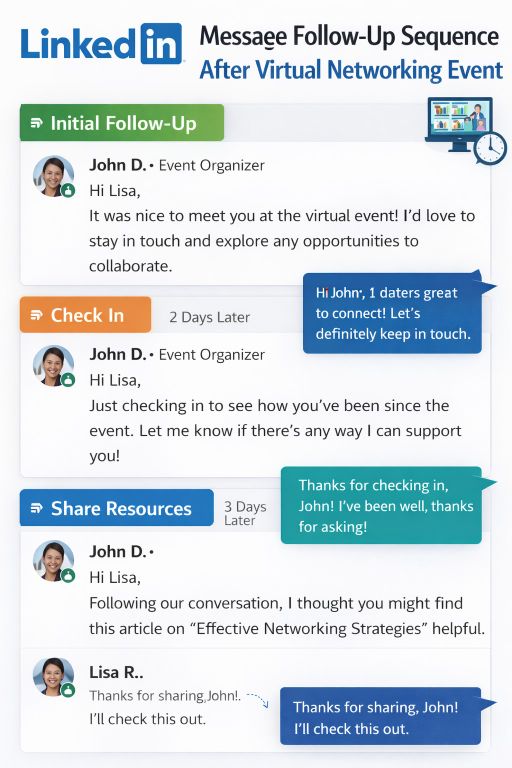
Screenshot Prompt: LinkedIn message follow-up sequence after a virtual networking event.
My Simple Virtual Networking Framework
After experimenting with multiple strategies, I simplified my networking process into a repeatable framework.
The 4-Step Virtual Networking System
- Discover professionals through LinkedIn
- Invite them to a focused online meetup
- Facilitate meaningful conversations
- Build long-term relationships through follow-up
This framework allows networking to become predictable rather than random.
Instead of hoping to meet the right people, you create an environment where meaningful connections naturally happen.
The Future of Virtual Networking Communities
Virtual networking is still evolving.
What I expect to see in the coming years is the growth of niche communities built around specific industries and professional interests.
Instead of large generic events, smaller focused networking communities will become more valuable.
Professionals who understand how to organize these communities will have a powerful advantage in building influence, partnerships, and opportunities.
Virtual networking is no longer just a trend — it is becoming a core part of modern professional growth.
- Virtual networking works best when LinkedIn and live events work together.
- Interactive meetups create stronger professional relationships.
- The right platform improves networking engagement.
- Consistent follow-up turns connections into opportunities.
Final Thoughts: Building Real Relationships Through Virtual Networking
The biggest lesson I learned from virtual networking is that technology alone does not create connections.
Real relationships happen when people feel comfortable sharing ideas and helping each other.
When LinkedIn networking, virtual meetups, and thoughtful follow-up work together, online events become one of the most powerful tools for building professional relationships.
Virtual networking is not replacing traditional networking — it is expanding it globally.
Recommended Networking Guides
If you have any suggestions or example please share your thoughts on the comment section