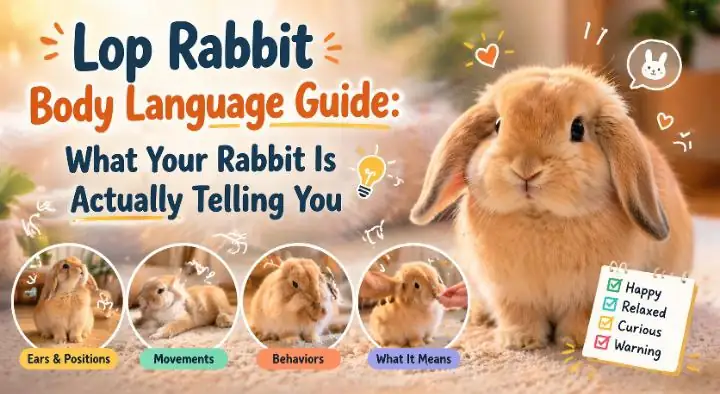
Lop Rabbit Body Language Guide: What Your Rabbit Is Actually Telling You

I’ve spent three years living with my Holland Lop, Mochi, and let me tell you—those floppy ears speak volumes. When I first brought him home, I thought I was getting a quiet, simple pet. Boy, was I wrong. Lop Rabbit Body Language is a complex, beautiful form of communication that most owners completely miss.
Unlike upright-eared breeds, Lops have unique challenges. Their ears don’t swivel and perk like other rabbits, so I’ve had to become an expert at reading subtle body cues. Through countless mornings watching Mochi, I’ve decoded signals that saved his health and deepened our bond.
This guide shares everything I’ve learned about Lop Rabbit Body Language from real experience—not textbooks. Whether you’re a new Lop parent or a seasoned bunny whisperer, you’ll discover new layers of communication you never noticed before.

Why Lop Rabbit Body Language Matters More Than You Think
Most people think rabbits are simple creatures. I used to think that too. Then I nearly lost Mochi to a hidden illness because I didn’t recognize the subtle signs in his Lop Rabbit Body Language.
Here’s what I’ve discovered through daily observation:
- Rabbits hide pain as a survival instinct—knowing Lop Rabbit Body Language reveals what they can’t say
- Weather changes trigger specific postures that signal discomfort
- Stomach issues show up in ear positioning and sitting angles
- Emotional states have distinct physical manifestations
- Bonding moments have recognizable body patterns
Understanding Lop Rabbit Body Language transformed my relationship with Mochi. Instead of guessing, I now respond to his actual needs. The difference in his happiness is night and day.
The Unique Challenge of Reading Lop Ears
Here’s the thing about Lop Rabbit Body Language—those adorable floppy ears that make Lops so cute also make them harder to read. Upright-eared rabbits telegraph emotions through ear positioning. Lops? Not so much.
When I got Mochi, I kept looking for ear signals that weren’t there. I missed his stress signals for weeks. Now I know Lop Rabbit Body Language requires watching the whole body, not just the ears.
The ears still matter, but differently:
- Tight against the head: Fear or extreme stress in Lop Rabbit Body Language
- Slightly lifted at the base: Curiosity and alert interest
- Completely relaxed and floppy: Deep trust and contentment
- One ear forward, one back: Processing new information
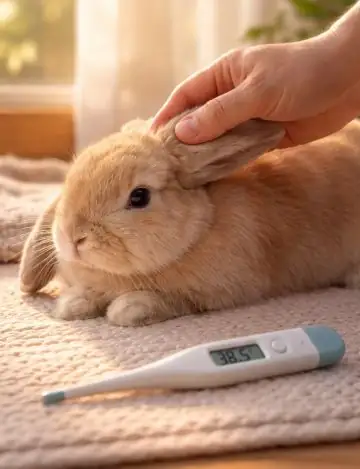
- Hot ears: Possible fever or overheating—check immediately
I check Mochi’s ear temperature daily. Warm ears on a cool day mean something’s wrong. This simple Lop Rabbit Body Language check caught his first fever before other symptoms appeared.
Weather Conditions and Body Language: What Temperature Tells You
Weather dramatically affects Lop Rabbit Body Language. I’ve tracked Mochi’s behavior across seasons, and the patterns are striking. Temperature changes trigger survival responses that show in posture and movement.
During hot weather, watch for these Lop Rabbit Body Language signals:
- Sprawling flat on cool surfaces
- Rapid, shallow breathing
- Ears held slightly away from the head
- Reduced activity and seeking shade
- Wet nose and front paws from self-cooling
Last summer, I noticed Mochi’s Lop Rabbit Body Language changed dramatically. He stopped his usual binkies and pressed his belly against our tile floor. His ears felt hot. I recognized heat stress immediately and moved him to air conditioning. Understanding these weather-related signals in Lop Rabbit Body Language literally saved his life.
Cold weather creates different patterns:
- Tight loaf position with feet tucked completely
- Reduced movement and longer sleeping periods
- Seeking warm spots and avoiding drafts
- Ears feeling cool to the touch
- Burrowing behavior in bedding
I’ve learned that Lop Rabbit Body Language during weather changes isn’t just discomfort—it’s communication about their physiological state. When Mochi starts the “cold loaf,” I know to check his heating pad.

Stomach and Body Pain: The Silent Screams in Lop Rabbit Body Language
This section is crucial. I cannot stress enough how Lop Rabbit Body Language reveals pain that rabbits instinctively hide. As prey animals, showing weakness means death in the wild. Our domestic Lops still carry this programming.
Three months ago, I noticed Mochi’s Lop Rabbit Body Language changed subtly. He sat differently. His usual relaxed flop became a rigid, hunched position. He pressed his belly against the floor but wouldn’t fully lie down. These were classic gas pain signals.
Critical pain indicators in Lop Rabbit Body Language:
| Body Position | What It Means | Urgency Level |
|---|---|---|
| Hunched back with weight shifted forward | Abdominal pain, possible GI stasis | EMERGENCY |
| Pressing belly to floor but not relaxing | Gas pain or bloating | URGENT |
| Sitting with one leg extended awkwardly | Possible injury or arthritis | URGENT |
| Teeth grinding while hunched | Severe pain—different from happy tooth purr | EMERGENCY |
| Reluctance to move or jump | Sore hocks, injury, or spinal issues | URGENT |
Learning Lop Rabbit Body Language for pain detection requires close daily observation. I photograph Mochi in his normal positions so I can compare when something looks off. This visual reference has been invaluable.
Here’s what I do when I spot pain signals in Mochi’s Lop Rabbit Body Language:
- Check for immediately—emergency vet if present
- Offer favorite treats—refusal confirms something’s wrong
- Listen for tooth grinding (pain) versus purring (contentment)
- Check belly for tightness or bloating
- Monitor for 30 minutes—any worsening means immediate vet visit
That gas pain episode? I recognized it because I’d studied Lop Rabbit Body Language extensively. Massage and simethicone helped, but knowing when to act versus when to rush to emergency care comes from understanding these subtle cues.
Sickness Signals: Early Warning System in Lop Rabbit Body Language
Beyond acute pain, Lop Rabbit Body Language reveals brewing illness before obvious symptoms appear. I’ve become hyper-attuned to Mochi’s baseline behavior, which lets me catch problems early.
Early sickness indicators in Lop Rabbit Body Language:
- Change in ear carriage—one drooping more than usual
- Excessive face rubbing or ear scratching
- Sitting in corners facing walls (isolation behavior)
- Reduced grooming or over-grooming one area
- Change in sleeping location preferences
- Less responsive to interaction or treats
I noticed Mochi’s Lop Rabbit Body Language shifted when he developed an ear infection. He kept tilting his head slightly and rubbing one ear against his cage bars. These subtle signs, visible only because I knew his normal Lop Rabbit Body Language, got us to the vet before the infection became serious.
Respiratory issues show in specific ways:
- Flared nostrils with increased frequency
- Head tilted back to open airways
- Front paws positioned wider than normal
- Reluctance to lie completely flat
- Increased ear temperature without environmental cause
Tracking Lop Rabbit Body Language for health monitoring isn’t paranoia—it’s responsible ownership. I keep a daily log of Mochi’s posture, activity level, and interaction style. Patterns emerge that reveal health trends.
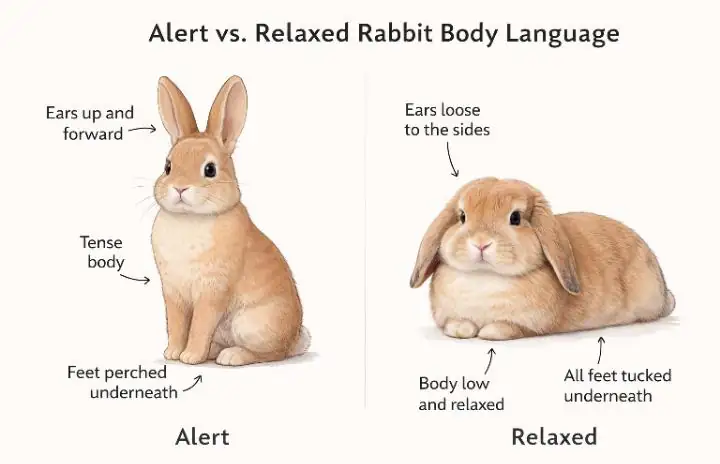
Deep Feelings and Emotional States: The Heart of Lop Rabbit Body Language
This is where Lop Rabbit Body Language becomes truly beautiful. Beyond survival signals, Lops communicate complex emotions. I’ve witnessed Mochi express joy, grief, jealousy, and deep affection through his body.
The famous “binky”—that twisting jump of pure joy—is peak happy Lop Rabbit Body Language. But there’s more nuance:
Joy and Excitement:
- Binkies with twists and kicks
- Zoomies—running full speed for no reason
- Flopping dramatically onto side (the “dead bunny flop”)
- Periscoping—standing tall to see everything
- Running circles around your feet
The first time Mochi did a full side-flop in front of me, I panicked. I thought he’d died! Now I know this ultimate Lop Rabbit Body Language signal means complete trust. A rabbit exposing their vulnerable side is saying “I am totally safe with you.”
Affection and Bonding:
- Gentle head butting (demanding pets)
- Licking or gentle nibbling (grooming you as family)
- Chin rubbing (marking you as theirs)
- Laying next to you with body contact
- Soft tooth grinding when being petted
Mochi’s Lop Rabbit Body Language when I return home melts my heart. He runs to his cage door, stands on hind legs, and bounces. This greeting ritual is pure love expressed physically.
Stress and Fear:
- Frozen posture with wide eyes
- Trying to make themselves small and flat
- Rapid breathing with visible chest movement
- Thumping hind legs (danger warning)
- Running to hiding spots repeatedly
I once introduced Mochi to a friend’s dog (supervised, distant). His Lop Rabbit Body Language shifted instantly—frozen, ears tight, eyes bulging. I recognized terror and removed him immediately. Respecting these fear signals builds trust.
Jealousy and Possessiveness:
Yes, rabbits get jealous! When I pet my cat, Mochi’s Lop Rabbit Body Language changes. He positions himself between us, chin-rubs my hand aggressively, and might even nip gently. He’s claiming his territory (me) using clear physical signals.
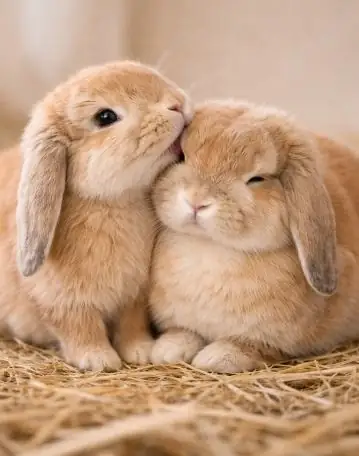
What It Actually Means: Decoding Specific Behaviors
Let me break down exactly what specific Lop Rabbit Body Language behaviors mean based on my observations:
The Thump
That loud foot stomp isn’t anger—it’s communication. In Lop Rabbit Body Language, thumping means “I sense danger” or “I’m frustrated.” Mochi thumps when:
- He hears unfamiliar noises
- His food bowl is empty (how dare I!)
- I clean his cage and rearrange “his” items
- He wants attention and I’m ignoring him
Context matters in Lop Rabbit Body Language. One thump with ears forward = alert. Repeated thumping with hiding = genuine fear.
The Nose Wiggle
Rapid nose movement indicates high alertness and processing. When Mochi encounters something new, his nose goes into overdrive. Slow wiggles mean relaxation. Fast wiggles with still body mean intense focus. Understanding this Lop Rabbit Body Language helps me gauge his comfort level.
The Tail Twitch
That little cotton tail speaks in Lop Rabbit Body Language too. A raised tail during hopping shows confidence and happiness. A tucked tail indicates fear. When Mochi hops with his tail up like a flag, he’s having the best time.
The Stare
Direct eye contact in Lop Rabbit Body Language is complicated. In the wild, staring is threatening. But Mochi stares at me constantly—while loafing, while eating, while I’m working. Soft staring with relaxed body means content observation. Hard staring with tense body means challenge or fear.
The Dig
Floor digging, carpet scratching, bedding rearranging—all Lop Rabbit Body Language expressing natural instincts. Mochi digs when:
- He’s frustrated (aggressive digging)
- He’s nesting (gentle, purposeful digging)
- He wants to burrow (corner digging)
- He’s bored (random destructive digging)
Practical Tips: Building Your Lop Rabbit Body Language Skills
After three years, here’s my advice for developing your Lop Rabbit Body Language fluency:
- Establish baseline documentation. Photograph your Lop in various normal states. Compare when concerned.
- Watch without interfering. Sit quietly and observe natural behavior daily. Notice patterns.
- Learn your individual’s quirks. Every Lop has unique Lop Rabbit Body Language variations. Mochi has specific tells I’ve learned only through time.
- Contextualize everything. Consider environment, time of day, recent changes. Lop Rabbit Body Language isn’t universal—it’s situational.
- Respond appropriately. When you read a signal correctly, act on it. This reinforces communication.
- Keep a behavior journal. Track changes over time. Health issues often show gradually in Lop Rabbit Body Language.
I spend 15 minutes each morning just watching Mochi. This investment in understanding Lop Rabbit Body Language has prevented countless problems and deepened our bond immeasurably.

Common Misinterpretations in Lop Rabbit Body Language
I’ve made mistakes reading Lop Rabbit Body Language. Here are common errors to avoid:
| Behavior | Common Wrong Interpretation | Actual Meaning |
|---|---|---|
| Teeth grinding | Always means pain | Soft grinding = happy purring. Loud grinding = pain. |
| Side flop | Rabbit is sick or dead | Ultimate relaxation and trust signal. |
| Chin rubbing | Itchy chin | Scent marking territory as “mine.” |
| Nipping | Aggression or anger | Often grooming behavior or “pay attention to me.” |
| Licking you | Tasting salt on skin | Grooming you as bonded family member. |
Understanding the true meaning behind Lop Rabbit Body Language prevents misunderstandings that damage trust. When I learned that Mochi’s nipping was affectionate, not aggressive, our relationship improved dramatically.
Advanced Lop Rabbit Body Language: Multi-Signal Reading
Real expertise in Lop Rabbit Body Language comes from reading multiple signals simultaneously. Single behaviors can mislead. Clusters reveal truth.
Example from last week: Mochi was sitting still, ears slightly back, nose wiggling fast. Alone, these could mean various things. But combined with:
- Position near his hiding box
- Body angled toward the door
- Recent vacuum cleaner noise
I decoded his Lop Rabbit Body Language correctly: stressed but recovering from fear, needing reassurance. I sat quietly nearby, offering treats without forcing interaction. He relaxed within minutes.
Multi-signal analysis in Lop Rabbit Body Language considers:
- Body posture and tension level
- Ear position and temperature
- Facial expression (eye size, whisker position)
- Activity level and movement patterns
- Environmental context and recent events
- Individual personality and history
This holistic approach to Lop Rabbit Body Language is what separates observation from true understanding.
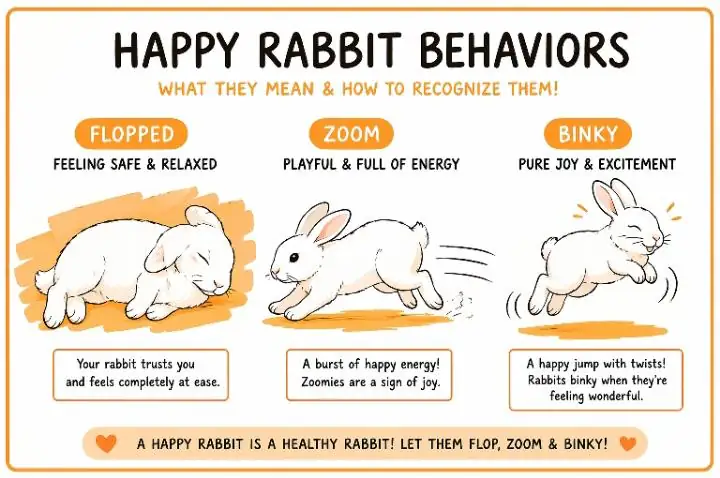
FAQ: Your Lop Rabbit Body Language Questions Answered
1. Why does my Lop rabbit stomp his feet at night?
Night thumping in Lop Rabbit Body Language usually means he heard something you didn’t. Rabbits are crepuscular—most active at dawn and dusk. Night noises trigger their prey instincts. Check for actual threats, then provide reassurance without reinforcing the fear.
2. My Lop’s ears feel hot. Is that normal?
Ear temperature in Lop Rabbit Body Language is a vital health indicator. Warm ears on a cool day suggest fever or overheating. Cool ears on a warm day might indicate circulatory issues. I check Mochi’s ears daily as part of my health monitoring routine.
3. Why does my Lop push his head under my hand?
This is dominant Lop Rabbit Body Language—demanding grooming. In rabbit social structures, the dominant individual requests grooming from subordinates. Your Lop is saying “I’m the boss, pet me now.” It’s actually a sign of acceptance and bonding.
4. My rabbit lies with legs stretched out behind him. Is he okay?
Absolutely! This “superman” position in Lop Rabbit Body Language indicates complete comfort and trust. A rabbit stretching their vulnerable back legs out is saying “I feel totally safe here.” It’s one of my favorite signs from Mochi.
5. How do I know if my Lop is happy?
Happy Lop Rabbit Body Language includes: binkies, zoomies, flops, relaxed loafing, gentle tooth grinding when petted, periscoping, and active exploration. Mochi’s happiness shows in his energetic movement and willingness to flop near me.
6. Why does my Lop lick me then bite gently?
This grooming-nip pattern in Lop Rabbit Body Language is complex. The licking is affectionate grooming. The nip might mean “that’s enough” or “move, I want to groom elsewhere.” It’s rarely aggressive—more communicative. Watch body tension to distinguish.
7. My Lop runs circles around my feet. What does that mean?
Circling in Lop Rabbit Body Language is often hormonal—especially in unneutered males. It can mean excitement, mating behavior, or claiming territory. Mochi circles when he’s excited about treats or when he wants attention specifically from me.
8. How can I tell if my Lop is in pain?
Pain Lop Rabbit Body Language includes: hunched posture, reluctance to move, pressed belly, teeth grinding (loud), half-closed eyes with tension, and isolation. Trust your instincts—if something looks “off” in their normal posture, investigate immediately.
9. Why does my Lop freeze when I approach?
Freezing is prey animal survival behavior in Lop Rabbit Body Language. Your approach triggers their “don’t move, predator might not see me” instinct. Move slower, speak softly, and approach from the side rather than directly overhead. Build trust gradually.
10. What does it mean when my Lop’s nose stops wiggling?
A still nose in Lop Rabbit Body Language indicates deep relaxation or sleep. Rabbits wiggle noses to process scents constantly. When Mochi’s nose stops while he’s loafing, he’s entered full relaxation mode. It’s a beautiful sign of trust.
11. My Lop chatters his teeth loudly. Is that good or bad?
Context determines meaning in Lop Rabbit Body Language. Soft, rhythmic grinding while being petted = happy “tooth purr.” Loud, irregular chattering, especially with hunched posture = pain requiring immediate veterinary attention. Learn the difference—it could save their life.
12. Why does my Lop dig at my clothes or carpet?
Digging Lop Rabbit Body Language expresses natural burrowing instincts. On you, it might mean “I want to nest here” or frustration. Provide appropriate digging boxes with hay or cardboard. Redirect rather than punish—digging is instinctive, not naughty.
13. How do I know if my Lop trusts me?
Trust in Lop Rabbit Body Language shows as: flopping near you, grooming you, sleeping with eyes closed in your presence, approaching for attention, and eating while you’re nearby. These vulnerable positions mean your Lop considers you family, not threat.
14. My Lop’s ears move differently than when I got him. Should I worry?
Changes in ear carriage can indicate health issues in Lop Rabbit Body Language. One ear dropping more than usual might mean ear infection or neurological problems. Asymmetrical ear movement warrants veterinary examination. Document changes with photos for your vet.
15. Can Lop rabbits communicate with other rabbit breeds?
Absolutely! Lop Rabbit Body Language is universal across breeds, though Lops have modified ear signals. Mochi communicates perfectly with my friend’s upright-eared rabbit. They understand each other’s postures, movements, and scent marking. Rabbit language transcends breed differences.
Conclusion: The Lifelong Journey of Understanding
Learning Lop Rabbit Body Language isn’t a destination—it’s an ongoing relationship. Three years with Mochi, and I’m still discovering new signals, new nuances, new depths to his communication.
What I’ve shared here comes from real experience, real mistakes, and real breakthroughs. Every Lop is an individual with their own dialect of Lop Rabbit Body Language. Your rabbit will teach you their specific signals if you pay attention.
The reward for this attention is extraordinary. When you can read Lop Rabbit Body Language fluently, you catch illness early, prevent fear from becoming trauma, and build a bond based on true mutual understanding. Mochi and I communicate now in ways I never imagined possible with a “prey animal.”
Start today. Watch your Lop without your phone, without distraction. Notice their posture, their movements, their reactions. Keep notes. Take photos. Build your personal dictionary of Lop Rabbit Body Language.
Your floppy-eared friend is speaking to you constantly. The question is: are you listening?
“The ears may flop, but the heart speaks clearly—if you know how to listen.”
— My personal motto after years of loving Lops
Learn How to Care for Your Lop Rabbit
Discover expert-backed guides to help you raise a happy, healthy lop rabbit.
From feeding and behavior to health issues, these beginner-friendly articles cover everything you need to know.
What Can Lop Rabbits Eat?
A complete beginner-friendly feeding guide covering safe foods, toxic foods, and how to build the perfect rabbit diet.
The Best Hay for Lop Rabbits
Learn why hay is the most important part of your rabbit’s diet and how to choose the best type for long-term health.
Why Is My Lop Rabbit Not Eating?
Discover 7 common reasons your rabbit may stop eating and what immediate steps you should take.
Dental Disease in Lop Rabbits
A critical guide to the silent dental problems many owners miss and how to prevent serious health issues.
Share your Lop’s unique body language signals in the comments—I’d love to learn from your experiences too!

My name is Borni Franklin, and I built LopWorld from scratch — not because I had a background in veterinary science, but because I had a Holland Lop who needed me to figure things out fast.
I came into rabbit ownership the way most people do — excited, underprepared, and Googling everything at midnight. What I found online was mostly generic rabbit content that didn’t speak to Lop-specific needs, didn’t come from a real owner’s experience, and certainly didn’t prepare me for the morning I found my rabbit hunched in the corner with an untouched hay rack.
That frustration is what built this site.